
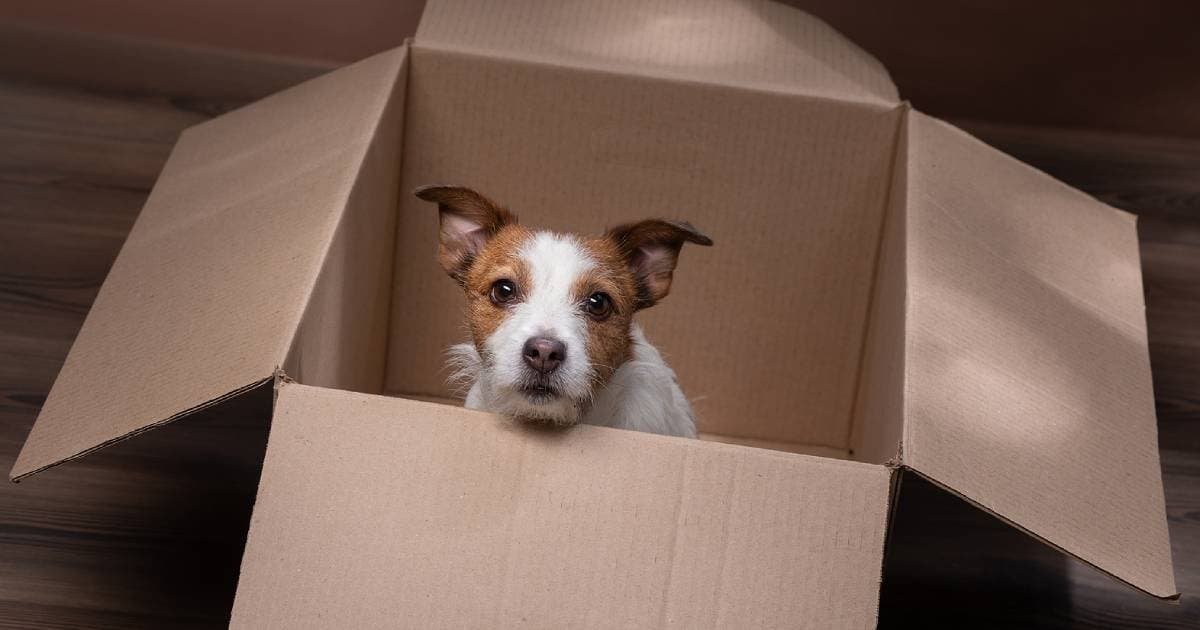
Moving house can be stressful for everyone involved, but it is especially challenging for pets. Furry friends, feathered companions, and even small mammals thrive on routine. A sudden change in environment, strange noises, and unfamiliar smells can cause anxiety, making what should be an exciting new chapter feel overwhelming. With the right preparation, however, pet relocation doesn’t have to be a source of panic. Whether you are working with home movers in Singapore or planning the move yourself, these professional tips will help ensure your pets transition smoothly.
Understand Your Pet’s Needs
Every pet is unique, and understanding their specific needs is the first step to a smooth relocation. Dogs may become nervous around packing boxes, while cats might hide or refuse to eat. Small mammals, birds, and reptiles can experience stress in confined or unfamiliar spaces. Observing your pet’s behaviour before the move will give you insights into their triggers and comfort zones. Simple steps such as maintaining feeding schedules, playtime, and regular walks can provide reassurance and stability during the lead-up to moving day.
Prepare a Pet Travel Kit
Creating a dedicated travel kit for your pet is essential. This should include:
- Food and water, along with bowls
- Leashes, harnesses, or carriers
- Medications and supplements
- Favourite toys or bedding
- Cleaning supplies such as pet wipes and waste bags
Having everything in one place reduces last-minute panic and ensures that your pet has familiar items to help them feel secure during the journey. For longer relocations, consider including items to maintain hygiene and comfort during the trip.
Choose the Right Carrier or Crate
Selecting an appropriate carrier or crate is crucial for safe pet transport. The carrier should be large enough for your pet to stand, turn around, and lie down comfortably. Ventilation, secure latches, and durable construction are key. Introducing the carrier well before moving day allows your pet to explore it and associate it with safety rather than confinement. Place familiar blankets or toys inside to make it more inviting.
Maintain Familiar Routines
Consistency is a powerful tool when helping pets adjust to change. Feeding, walking, and play schedules should be maintained as closely as possible during the moving process. Sudden changes in routine can amplify anxiety, so try to keep daily activities predictable. This is one of the many reasons it is often smarter to hire movers than move on your own, as professionals can handle the heavy lifting while you focus on keeping your pet calm and settled. If your pet is used to certain spaces or windows for observation, replicate similar setups in temporary areas of your home during packing.
Gradually Acclimate Pets to Moving Supplies
Boxes, tape, and packing materials may seem innocuous to humans, but they can be sources of stress for pets. Gradually exposing them to moving supplies helps them adjust without panic. Allow cats to explore empty boxes and consider letting dogs sniff and investigate packing materials. Positive reinforcement, such as treats and praise, can turn unfamiliar objects into neutral or even enjoyable experiences.
Plan for Transportation
Transportation is often the most stressful part of relocation for pets. For short moves, pets may travel in a familiar car environment, but longer journeys may require special planning. Ensure your vehicle is pet-friendly, with proper ventilation and secure restraints. Avoid leaving pets alone in vehicles for extended periods, especially in hot or humid climates common in Singapore. Frequent breaks for dogs to stretch, hydrate, and relieve themselves are essential. Birds and small mammals should have secure enclosures that prevent escape or injury during transit.
Keep Identification Updated
Moving is an excellent time to review pet identification. Ensure that collars, microchips, and any other forms of identification reflect your new address and contact information. In case your pet becomes frightened or lost during the relocation, having accurate identification greatly increases the likelihood of a safe return. Carry a recent photo of your pet, which can be invaluable if you need to alert neighbours or local authorities.
Consider Comfort Aids
Some pets benefit from additional comfort aids during relocation. Anxiety vests, calming sprays, or pheromone diffusers can help reduce stress. Always consult with your veterinarian before introducing any new products, especially if your pet has existing health conditions or is taking medication. Familiar scents from home, such as a blanket or an unwashed towel, can also offer reassurance.
Introduce Your Pet to the New Home Gradually
Arriving at the new home can be overwhelming for pets. Instead of allowing immediate full access to every room, start with one or two familiar areas where food, water, and bedding are placed. Gradually expand their access over several days, allowing them to explore at their own pace. Supervision is important to prevent accidents, particularly for curious pets that may investigate dangerous areas such as electrical cords or open windows.
Monitor Behaviour Closely
Keep a close eye on your pet’s behaviour during and after the move. Signs of stress include excessive vocalisation, hiding, loss of appetite, or destructive behaviour. While some anxiety is normal, prolonged distress may require intervention from a veterinarian or pet behaviourist. Early attention to signs of stress ensures a quicker adjustment period and prevents long-term anxiety issues.
Engage a Professional Moving Service if Needed
For many pet owners, the logistical demands of moving house can make the process overwhelming. Partnering with experienced home movers in Singapore who understand the nuances of relocating households with pets can ease the burden. Professional movers can handle heavy lifting, transport logistics, and even provide guidance on pet safety during the move, allowing you to focus on keeping your furry companions calm and comfortable.
Communicate with Your Neighbours
If your new home is in a densely populated area, introducing your pet to neighbours early can prevent unnecessary stress. Friendly interactions and gradual socialisation can help pets feel more secure. This is particularly important for dogs, who may be sensitive to the sounds and activities of new surroundings. Building a support network of neighbours can also help in case your pet needs assistance during the initial days of settling in.
Maintain Veterinary Care
Ensure that your pet’s vaccinations, medical records, and any ongoing treatments are up to date before moving. If your relocation involves a significant change in location, identify a new local veterinarian and establish a relationship early. Having a professional who understands your pet’s history is critical in case of emergencies or health concerns during the transition.
Give Your Pet Time to Adjust
Patience is key. Pets may take days, weeks, or even longer to fully adjust to a new home. Celebrate small victories, such as your cat exploring a previously avoided room or your dog becoming comfortable with a new backyard. Providing consistent care, attention, and reassurance will make this transition smoother for both you and your pet.
Conclusion
Moving doesn’t have to be a nightmare for pets when the right preparation is in place. By understanding their needs, maintaining routines, and creating a calm and familiar environment, you can significantly reduce stress and anxiety. Whether handling logistics yourself or enlisting the help of experienced home movers, ensuring your pet’s safety and comfort should always be a top priority. For a seamless relocation that keeps both your household and furry friends happy, consider trusting the expertise of Reddot Movers, who can manage the moving process efficiently while you focus on helping your pets settle into their new home.